Why Functional Safety Still Matters in Point Level Detection
When discussing functional safety, attention is often focused on control systems, software and complex automation architectures. However, many safety functions ultimately depend on something much simpler: reliable field instrumentation.
Point level switches are one of the most widely used devices within the process industries. From chemical storage and water treatment through to food manufacturing and bulk solids handling, they provide critical information that helps protect people, equipment and the environment.
Despite their importance, point level devices are frequently overlooked until a problem occurs.
Understanding functional safety
Functional safety is concerned with reducing risk to an acceptable level through the use of safety-related systems.
Within the process industries, Safety Instrumented Systems (SIS) are commonly employed to monitor process conditions and initiate actions when predefined limits are exceeded.
These systems may be designed to prevent:
- Vessel overfill
- Pump dry-running
- Product loss
- Equipment damage
- Environmental incidents
- Process upsets
The effectiveness of these safety functions depends heavily on the reliability of the instrumentation providing the input signals.
What does SIL mean?
Safety Integrity Level, commonly referred to as SIL, is a measure of the reliability of a safety function.
Defined within IEC 61508 and IEC 61511, SIL provides a framework for assessing how effectively a safety-related system reduces risk.
For engineers responsible for specifying instrumentation, SIL certification provides confidence that a device has been independently assessed for use within safety-related applications.
However, SIL should not simply be viewed as a certification requirement. It forms part of a wider approach to risk management, proof testing and lifecycle maintenance.
What is the role of point level detection devices in functional safety?
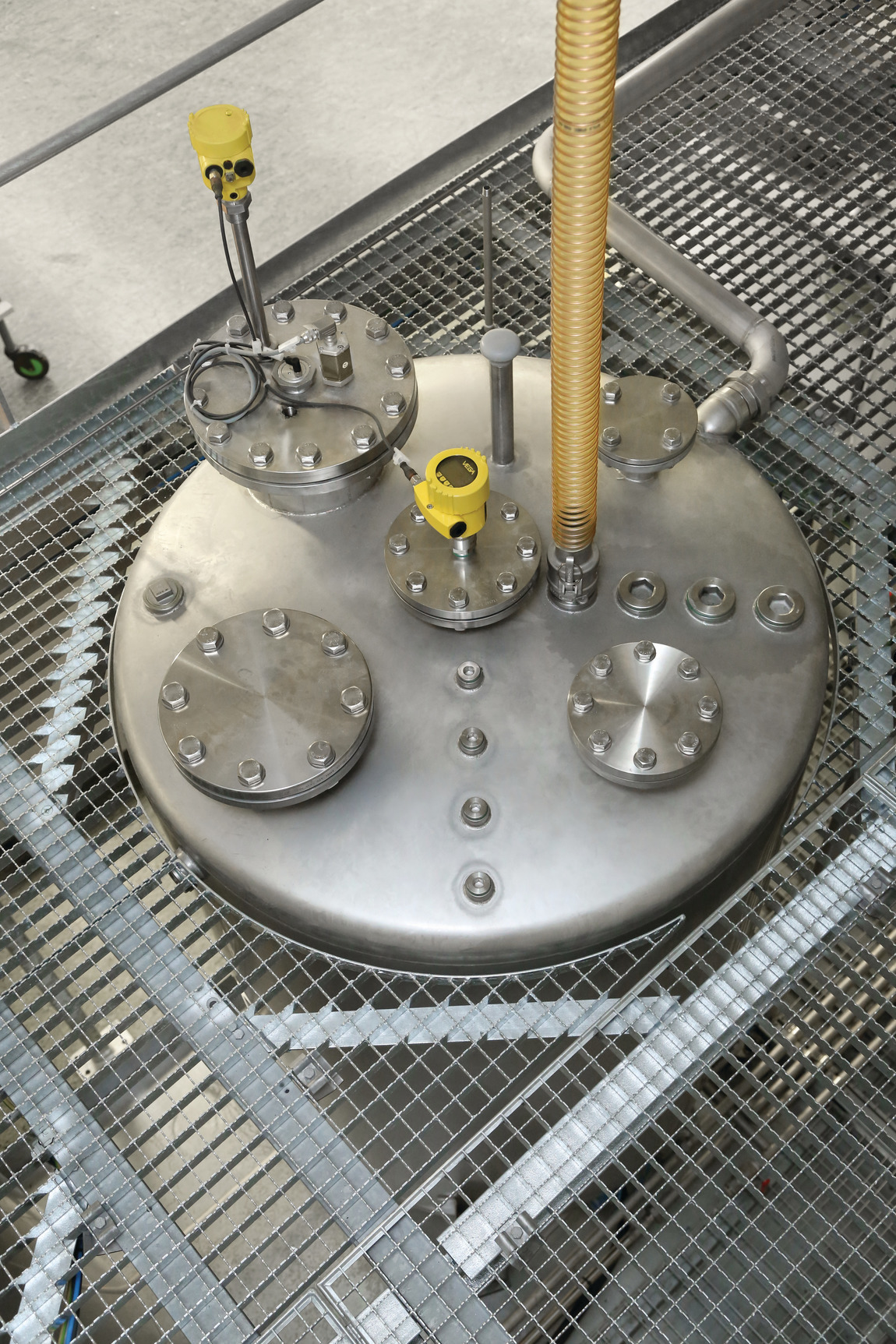
A VEGASWING is being used as a high level trip alarm while a VEGAPULS 6X measures level
Point level switches are often used as independent protection devices.
Typical applications include:
- High-level alarms
- Overfill prevention
- Low-level alarms
- Pump protection
- Process interlocks
- Emergency shutdown systems
Unlike continuous level measurement devices, point level switches are designed to detect a specific level condition and trigger a defined action.
Whilst the operating principle may appear straightforward, the consequences of failure can be significant.
A non-operational high-level switch could contribute to an overfill event, while a failed low-level switch may result in pumps operating without product, leading to equipment damage and unplanned downtime.
What are common challenges in Safety-Critical Applications?
Engineers regularly face challenges when managing level switching applications within safety-related systems.
These may include:
- Ageing instrumentation
- Difficult proof testing procedures
- Product build-up
- Harsh process conditions
- Limited diagnostic capability
- Nuisance trips and false alarms
As plants seek to improve both safety performance and operational efficiency, there is increasing focus on selecting technologies that offer greater reliability and reduced maintenance demands.
How can I select the right technology for my application?
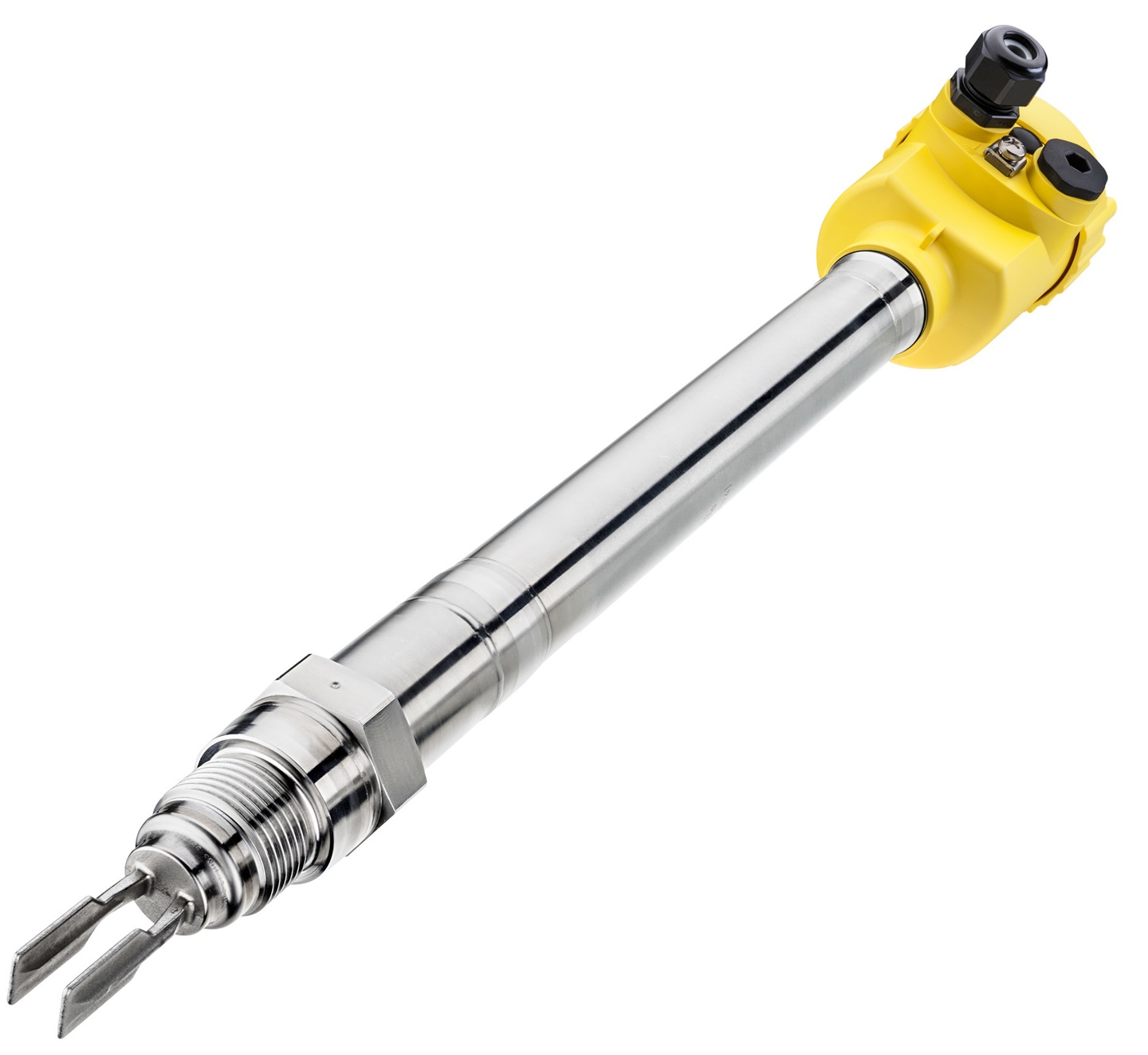
VEGASWING 66 - A vibrating level switch for liquids under extreme process temperatures and pressures
When reviewing point level applications, engineers should consider more than basic process compatibility.
Key considerations include:
- SIL suitability
- Diagnostic functionality
- Ease of proof testing
- Long-term reliability
- Lifecycle maintenance requirements
- Environmental and process conditions, such as process temperature and pressure
The objective is not only to satisfy safety requirements but also to support plant availability and minimise unnecessary maintenance activities.
Looking ahead
As the process industries continue to focus on risk reduction, compliance and operational excellence, point level detection will remain a key component of many safety functions.
While level switches may be among the simplest devices installed on a plant, their contribution to functional safety should never be underestimated.
Reliable instrumentation forms the foundation of effective safety systems, and ensuring that point level detection remains fit for purpose is an important part of any functional safety strategy.
Related industries

Oil and gas
Chemical industry

Energy
Related applications
Storage and buffer tanks

Level measurement and point level detection in small storage and buffer tanks
To the applicationStorage tank for liquid raw materials
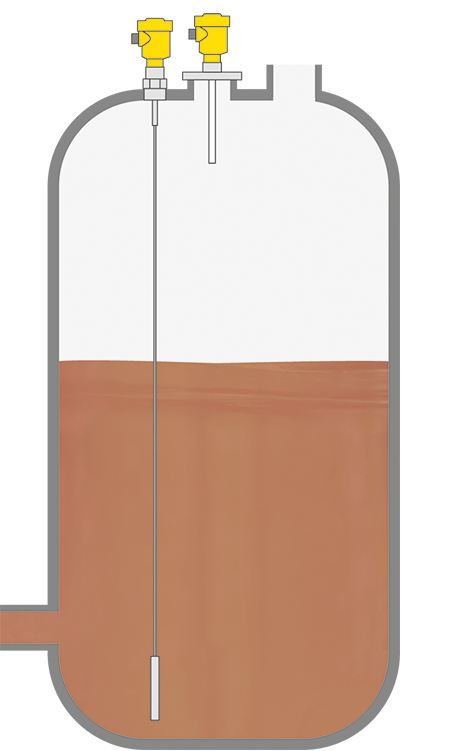
Level measurement and point level detection of liquid raw materials in storage tanks
To the applicationSteam boiler
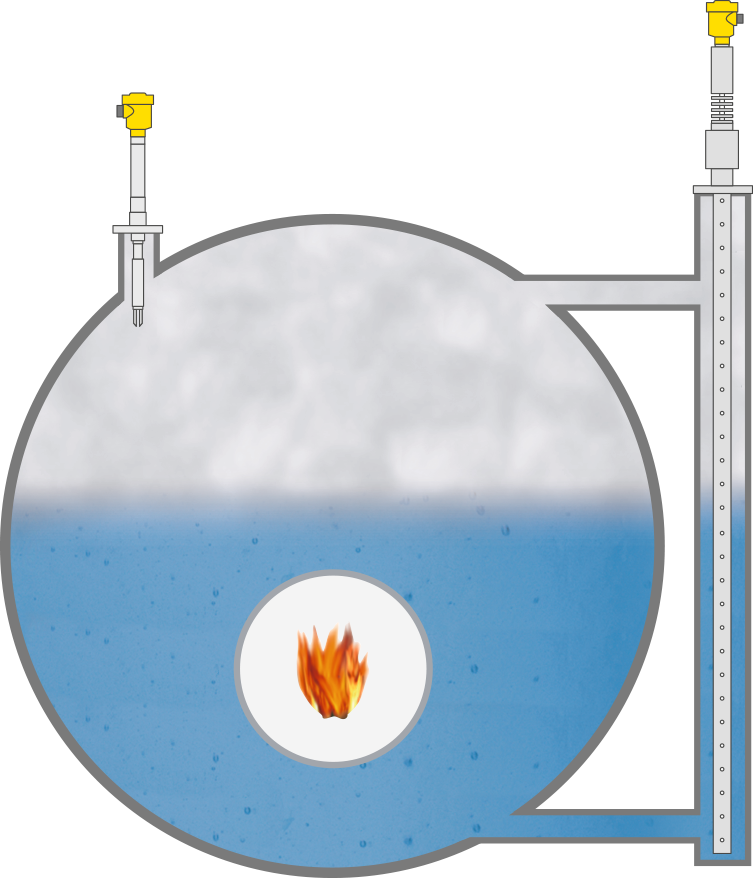
Level measurement and point level detection in process steam generation
To the applicationTanks for solvents

Level measurement, point level and pressure measurement in the storage and transfer of solvents
To the applicationBulk storage tanks
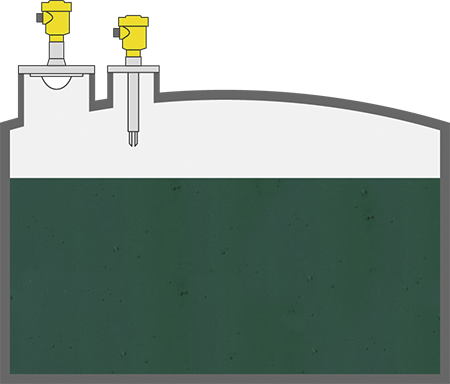
Level measurement and point level detection in bulk storage tanks
To the applicationStorage tanks for toxic liquids
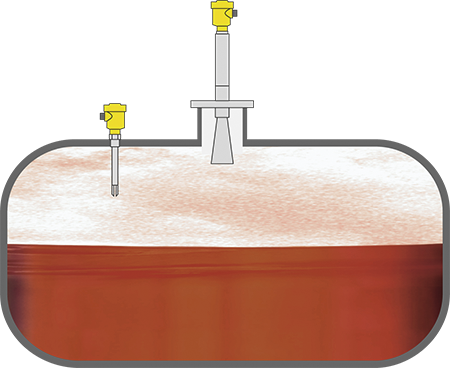
Level measurement and point level detection in toxic liquids storage
To the applicationRelated products

Export this article
Download as PDFShare this article
Comments ({{comments.length}})
{{getCommentAuthor(comment, "Anonymous")}} {{comment.timestamp | date : "dd.MM.yyyy HH:mm" }}
{{comment.comment}}