

Saving CO₂ emissions – with carbon capture and measurement technology well-suited to this specific task
Carbon Capture and Storage (CCS) as well as Carbon Capture and Utilisation (CCU) are technologies for reducing CO₂ emissions. They contribute to both decarbonisation and a greener economy – and actively counteract climate change. VEGA offers innovative measurement solutions for sustainable energy generation and effective carbon capture in various industrial sectors.
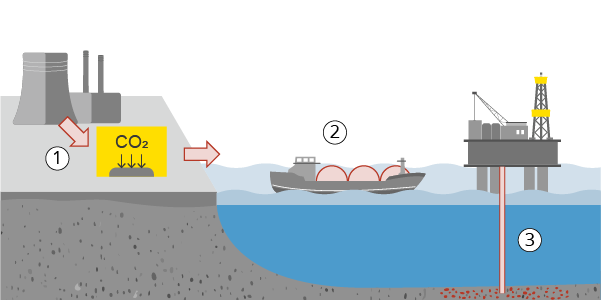
Carbon Capture (CC) describes the removal of carbon (CO₂ gas) directly from industrial exhaust gases, Carbon Capture and Storage (CCS) describes the former as well as the subsequent storage of the carbon. CCS technology is considered a promising technology for significantly reducing CO₂ emissions. It involves capturing CO₂ from industrial processes and storing it reliably. This reduces the carbon emissions released into the atmosphere and counteracts climate change. Possible applications for CCS can be found in the cement, steel, chemical and paper industries as well as in energy generation.
Process:
CO₂ capture: CO₂ is separated from exhaust gases.
CO₂ transport: CO₂ is transported to the storage locations.
CO₂ storage: CO₂ is then stored in deep geological formations.
What is Direct Air Capture (DAC)?
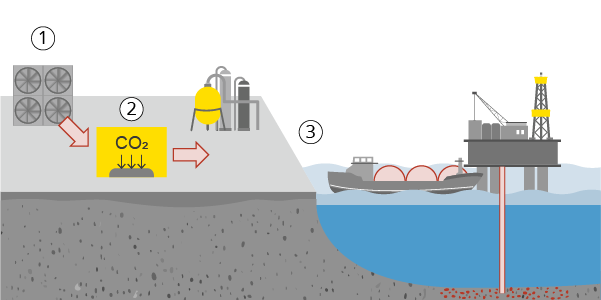
Direct Air Capture (DAC) removes CO₂ directly from the surrounding air. Direct air capture technologies are also aiming to reduce the amount of carbon dioxide in the atmosphere. Unlike CCS, which captures CO₂ at the source, DAC removes the CO₂ that is already in the environment. DAC thus helps to remove excess CO₂ from the atmosphere and reduce greenhouse gas concentrations.
Process:
Air intake: Air is drawn in through filters or reactors.
Capture: CO₂ is chemically or physically bound.
Release and storage: Chemically or physically bound CO₂ is released and made available for storage or utilisation.
What is Carbon Capture and Utilisation?
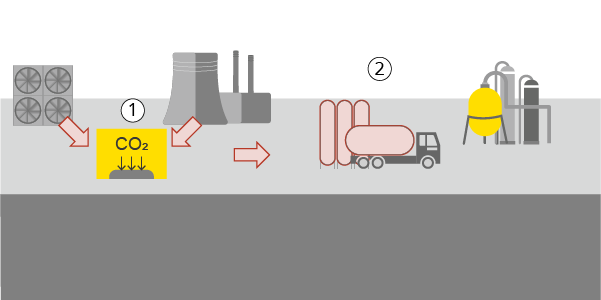
Carbon Capture and Utilisation (CCU) describes the separation of carbon from the air or from industrial flue gases and using it for a defined purpose. In contrast to CCS, where CO₂ is stored permanently, CCU aims to use the captured CO₂. CCU thus closes the carbon cycle and promotes a more sustainable economy.
Process:
Capture: CO₂ is captured from exhaust gases or the air.
Utilisation: CO₂ is converted into useful products, for example:
Chemical manufacturing: Production of methanol or urea
Fuels: Production of synthetic fuels
Building materials: Used in concrete and cement
Plastics: Used in the production of plastics
Difference between direct and indirect use of CO₂:
Direct use of CO₂: As a fire extinguishing agent and beverages
Indirect use of CO₂: Conversion into basic chemicals, power-to-gas (H₂) and power-to-liquid (eFuels)
Efficient and reliable sensors for CCS and CCU technologies
VEGA offers comprehensive measurement solutions to support sustainable energy production and effective carbon capture. Because, precise measurement is crucial for reliable storage, transport and feed-in processes. Sensors for level, switching and pressure thus help to sustainably minimise the environmental impact of processes and significantly increase operational efficiency.
Level
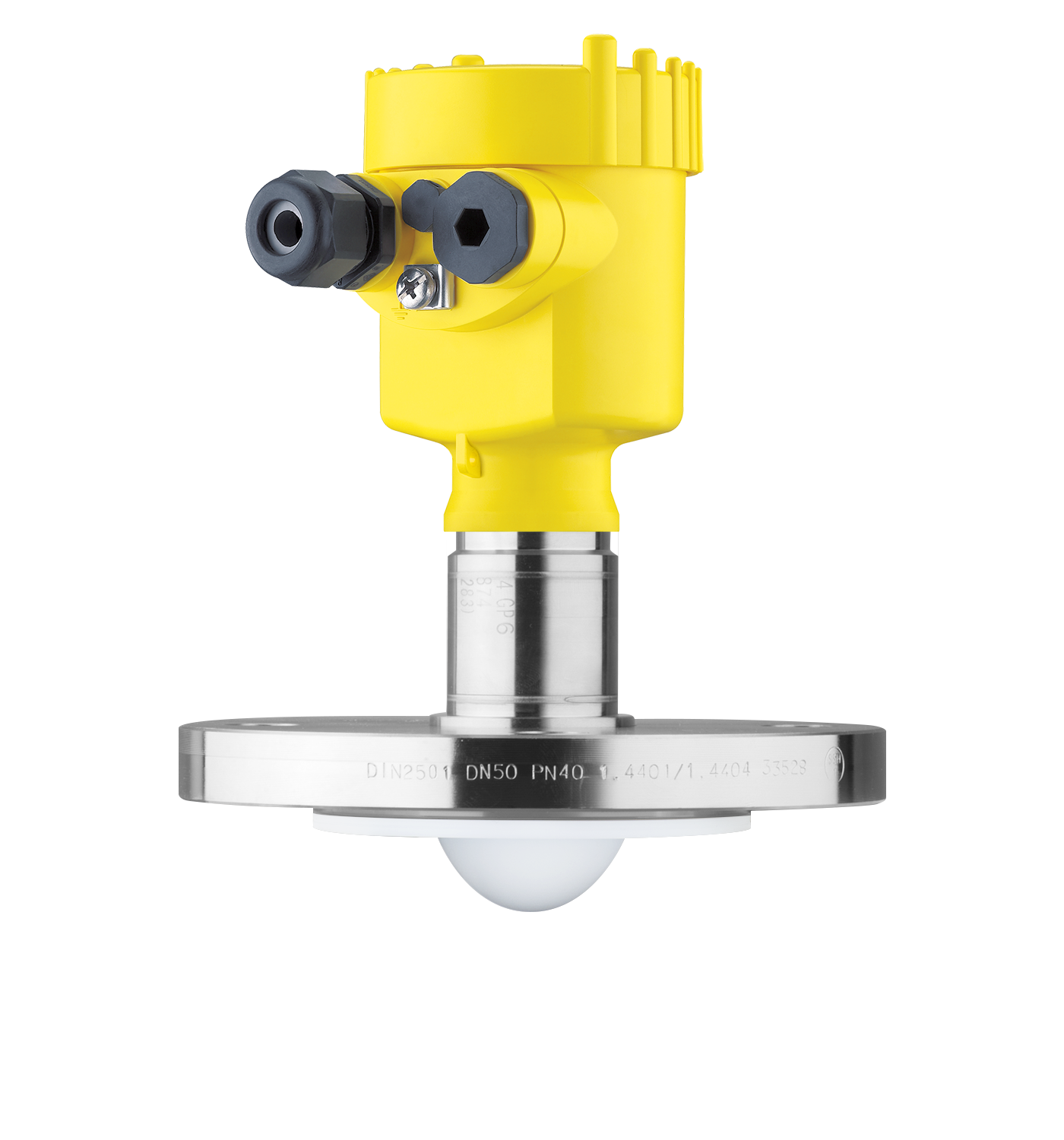
In continuous level measurement, the level of a medium in a tank or silo is recorded using one of a number of different measuring methods and converted into an electronic signal. The level signal can be displayed in the field, integrated into a process control system or an inventory management system.
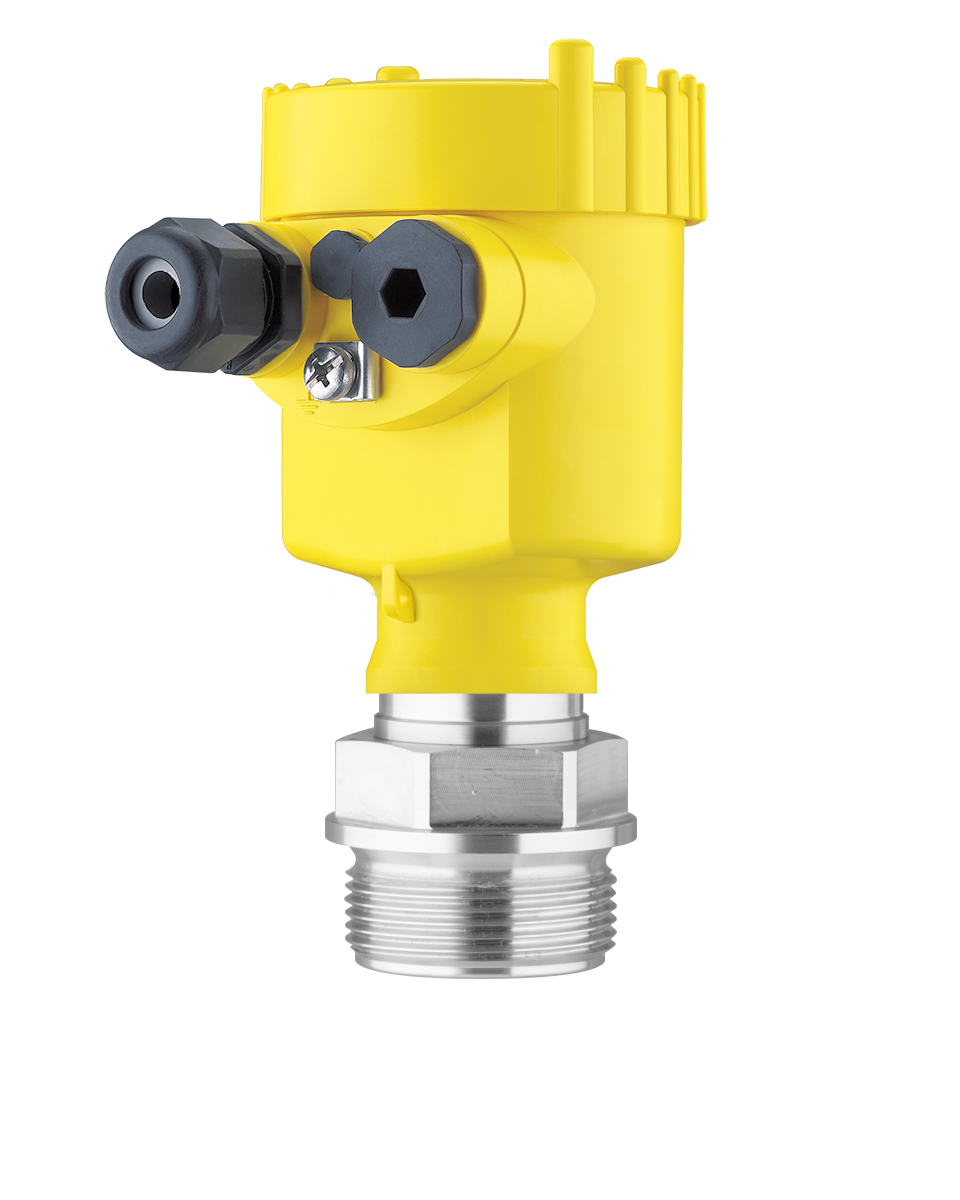
Besides just measuring process pressure or differential pressure, sensors are also used to measure level, volume, density and flow rate in all areas of process engineering. The measuring ranges of pressure sensors start at a few mbar, but extend to extreme pressures of up to 1,000 bar. Different measuring cells are used for pressure measurement.
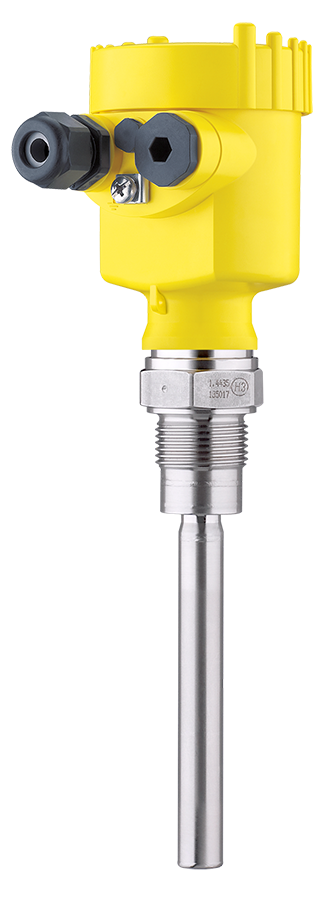
The basis of point level detection with vibrating level switches is a vibrating rod or tuning fork. When the vibrating probe comes into contact with the measured product, the oscillation rate changes and the vibrating level switch outputs a switch command. Vibrating level switches are used as overfill protection or empty alarm in liquids as well as bulk solids, which can be either in granulate or powder form.
Quality pays off: the long-lasting sensors reduce maintenance work as well as operating costs.
Fast delivery
Whether initial delivery or repair: VEGA instruments arrive at your facility within a few days. That considerably reduces the cost of keeping replacement parts or sensors in stock.
Simple integration
VEGA sensors can be easily integrated into existing systems. Fast mounting, setup and adjustment make installation easy.
Our service for you
Consultation
Every application is different and has its own special challenges. Would you like to talk with an expert to help you determine which sensor best fulfils your requirements? Just give us a call. We’re happy to give advice and help you select the right instrument.
Personal consultant
Enter your zip to find your personal consultant.
You're currently on our site for Brazil.
{{contactSearchMessage}}
Close